

From Doom to Fortnite: The 30 Year Shift from Hardware Wars to Platform Worlds
For most of video game history, your machine determined your world. Today, your account increasingly defines it.
That transition from hardware lock-in to ecosystem identity did not happen suddenly. It has been unfolding for more than three decades, driven by engine licensing, broadband infrastructure, cross-play politics, and the slow erosion of platform silos.
To understand where we might be heading, we need to revisit where we started.
Ports Before Platforms
In the early 1980s, arcade hits such as Space Invaders (Taito, 1978), Pac-Man (Namco, 1980), and Donkey Kong (Nintendo, 1981) were ported to home systems like the Atari 2600. These were not shared builds. They were reinterpretations constrained by radically different hardware architectures. Memory limits, processor differences, and cartridge size forced developers to rebuild systems rather than deploy unified code bases.
The idea travelled. The engine did not.
Throughout the 1980s and early 1990s, many studios still built technology on a per-project basis, with reuse often informal, internal, and rarely packaged as a licensable product.
The Engine Marketplace Emerges
A major structural shift began in the mid 1990s.
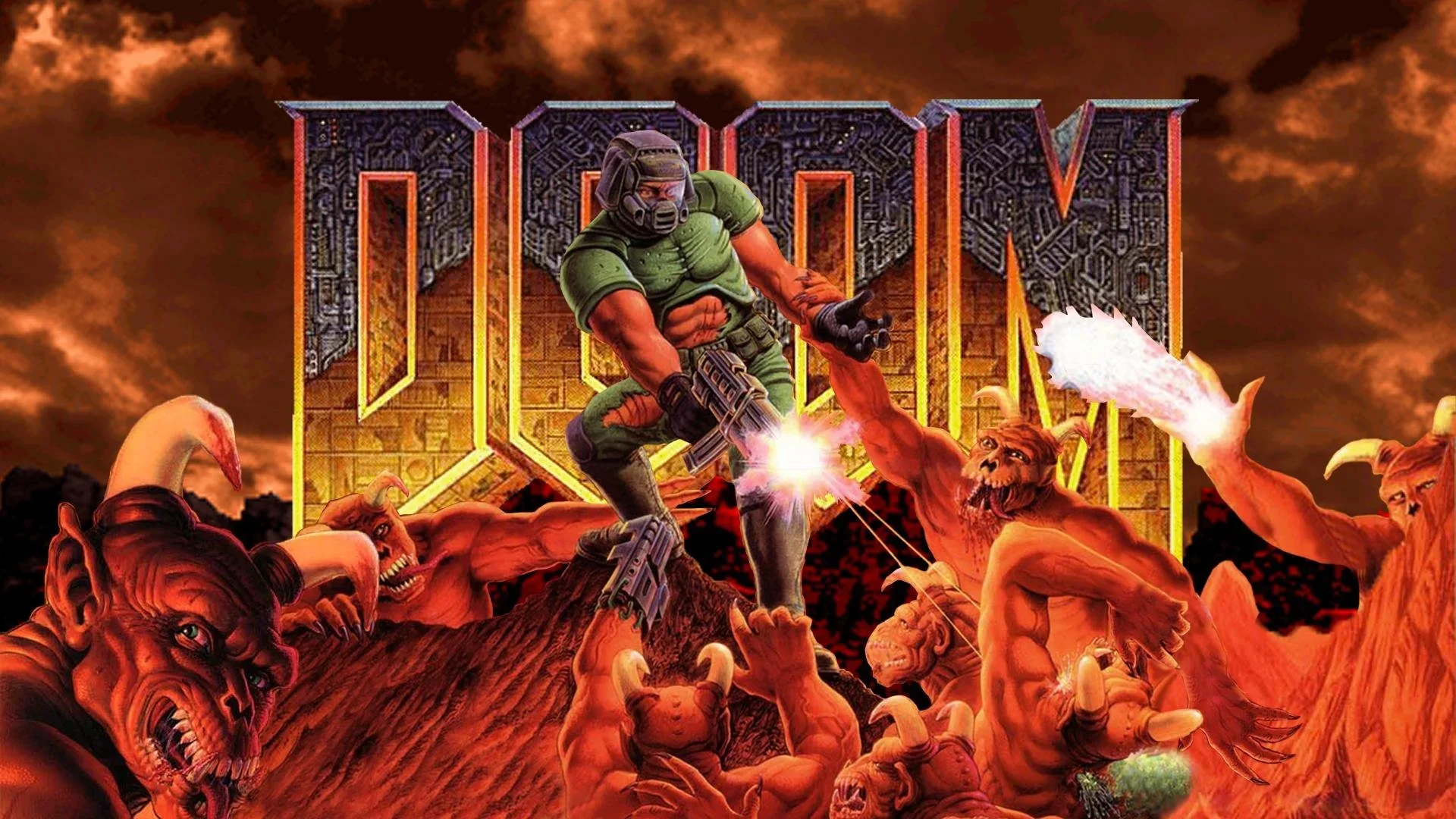
id Software released Doom in 1993 and soon began licensing its engine technology to other studios, formalising a model that separated core rendering and networking systems from game content. With Quake in 1996, id introduced fully real-time 3D rendering and highly influential multiplayer architecture. John Romero's memoir Doom Guy: Life in First Person (2023) describes an id culture obsessed with tools, speed, and technical iteration. David Kushner’s Masters of Doom (2003) similarly documents how this decision to commercialise engine technology reshaped production pipelines across the industry.
Unreal Engine launched with Unreal in 1998 and rapidly became a licensable competitor. Valve corporation debuted the Source engine in 2004 with Half-Life 2 and other Source-based releases that same year. Crytek’s CryEngine followed in 2002. Unity Technologies publicly released Unity in 2005, targeting accessibility and cross-platform development.
By the mid 2000s, engine reuse was no longer experimental. It was industry standard.
This shift mattered because engines increasingly supported multi-platform deployment from a single code base. Technical barriers between PC and console were shrinking even if business walls remained intact.
The Height of Platform Silos
Despite engine standardisation, the late 1990s and early 2000s were defined by ecosystem isolation.
Sony’s PlayStation 2 (2000) dominated with exclusive titles and a cinematic focus. Microsoft launched Xbox in 2001 and introduced Xbox Live in 2002, building one of the first unified console online identity systems. Nintendo maintained hardware differentiation through the GameCube (2001) and later the Wii (2006).
Cross-platform play was rare and typically limited to PC to PC ecosystems. Console manufacturers had little incentive to allow interoperability, which weakened brand loyalty.
Your online identity was locked to your device.
Broadband and the Backend Revolution
The next inflection point was infrastructural rather than creative.
As broadband penetration increased in the mid 2000s and 2010s, publishers shifted multiplayer architecture from console network dependence to centralised server infrastructure. Matchmaking, progression, and social systems moved to publisher-controlled backends.
This architectural change laid the foundation for cross-play. Once matchmaking was server-dependent rather than platform-dependent, the technical justification for segregation weakened.
Cross-Play Becomes Normalised
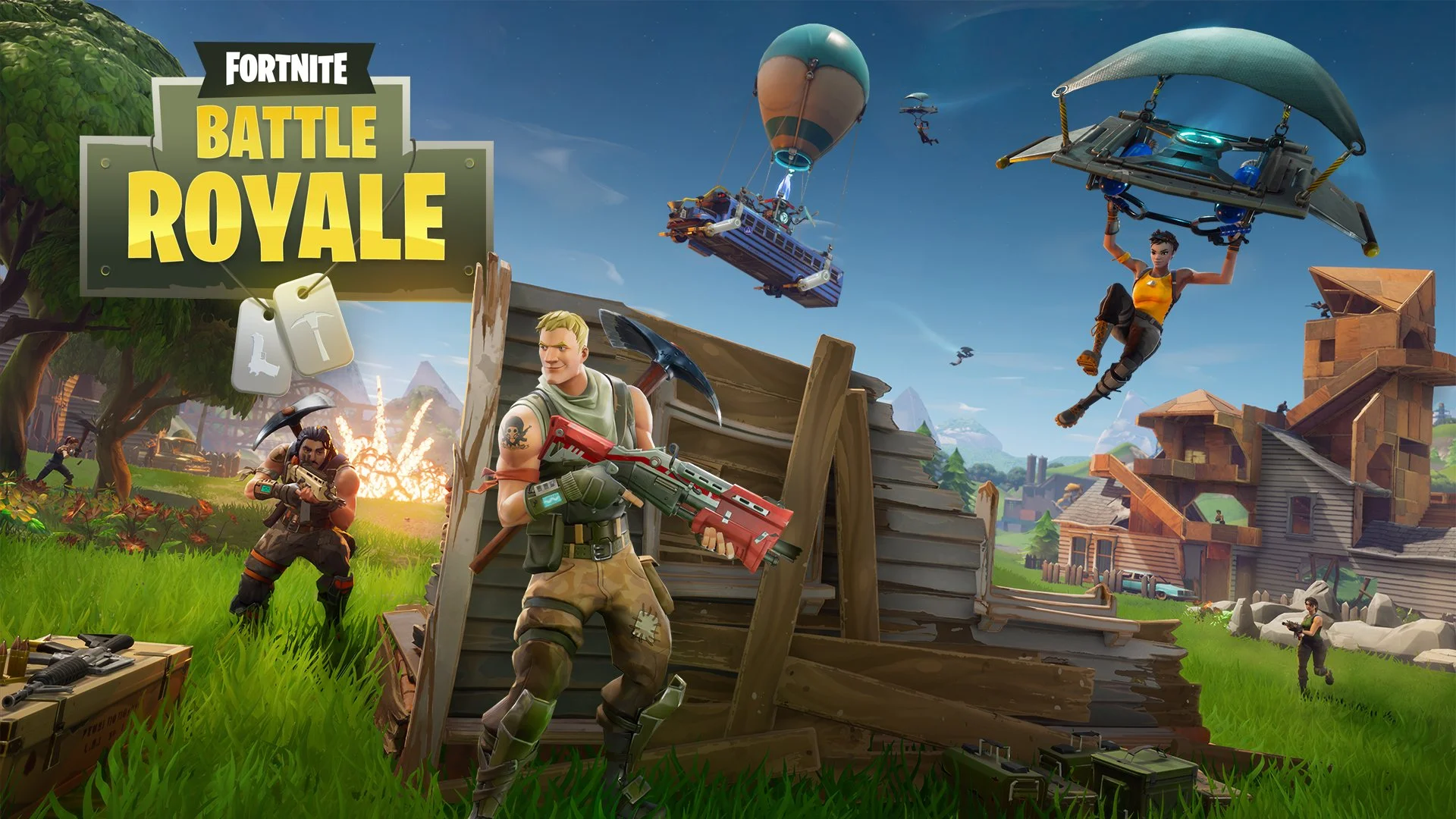
Fortnite Battle Royale launched in September 2017. By 2018, Epic Games had enabled large-scale cross-play across PC, Xbox One, Nintendo Switch, and eventually PlayStation 4 after Sony reversed its initial resistance in September 2018 (The Verge, Polygon).
Mobile was the real stress test. Fortnite arrived on iOS via an invite-only rollout in March 2018, then opened broadly in early April; Android followed in August 2018. That put touch controls into the same matchmaking universe as controllers and mouse-and-keyboard, and it exposed the later truth about "interoperability": it is never just technical.
That unity fractured in August 2020 when Epic Games bypassed Apple’s in-app payment system, prompting Apple to remove Fortnite from the App Store. The resulting lawsuit, Epic Games v. Apple (filed August 2020), exposed how fragile cross-platform identity still was when it collided with platform gatekeepers. Fortnite later returned to iOS in the European Union in August 2024 amid DMA-enabled third-party distribution, but in May 2025, Epic said Apple actions again left Fortnite unavailable on iOS worldwide, underscoring how quickly cross-platform identity can be broken by platform governance.
This was not merely a feature update. It was a political shift in platform strategy.
Call of Duty: Modern Warfare (2019) and Warzone (2020) further normalised unified matchmaking across console and PC. For the first time at massive scale, hardware became secondary to account identity.
Players began asking less frequently, "What console are you on?" and more frequently, "What account are you logged into?"
From Hardware Wars to Service Wars
The 2020s accelerated this trajectory.
Microsoft expanded Xbox Game Pass beyond consoles to PC and cloud streaming. Sony began releasing first-party titles on PC, including Horizon Zero Dawn in 2020 and God of War in 2022. Microsoft announced plans to publish select first-party titles on Nintendo and PlayStation platforms in 2024. Cloud gaming initiatives such as Xbox Cloud Gaming and NVIDIA GeForce Now started to decouple access from hardware ownership.
Competition is becoming less about boxes under televisions or PCs on desks. It is about subscription ecosystems, persistent identity, and network effects.
The Platform World Hypothesis
This brings us to the present moment.
Roblox is the clearest existing example of a platform-world operating at scale. Launched publicly in 2006 by David Baszucki and Erik Cassel, Roblox began not as a finished game but as a physics sandbox where users could build and share interactive spaces. Over time, it evolved into a massive, user-generated ecosystem in which millions of experiences coexist under a single account system.
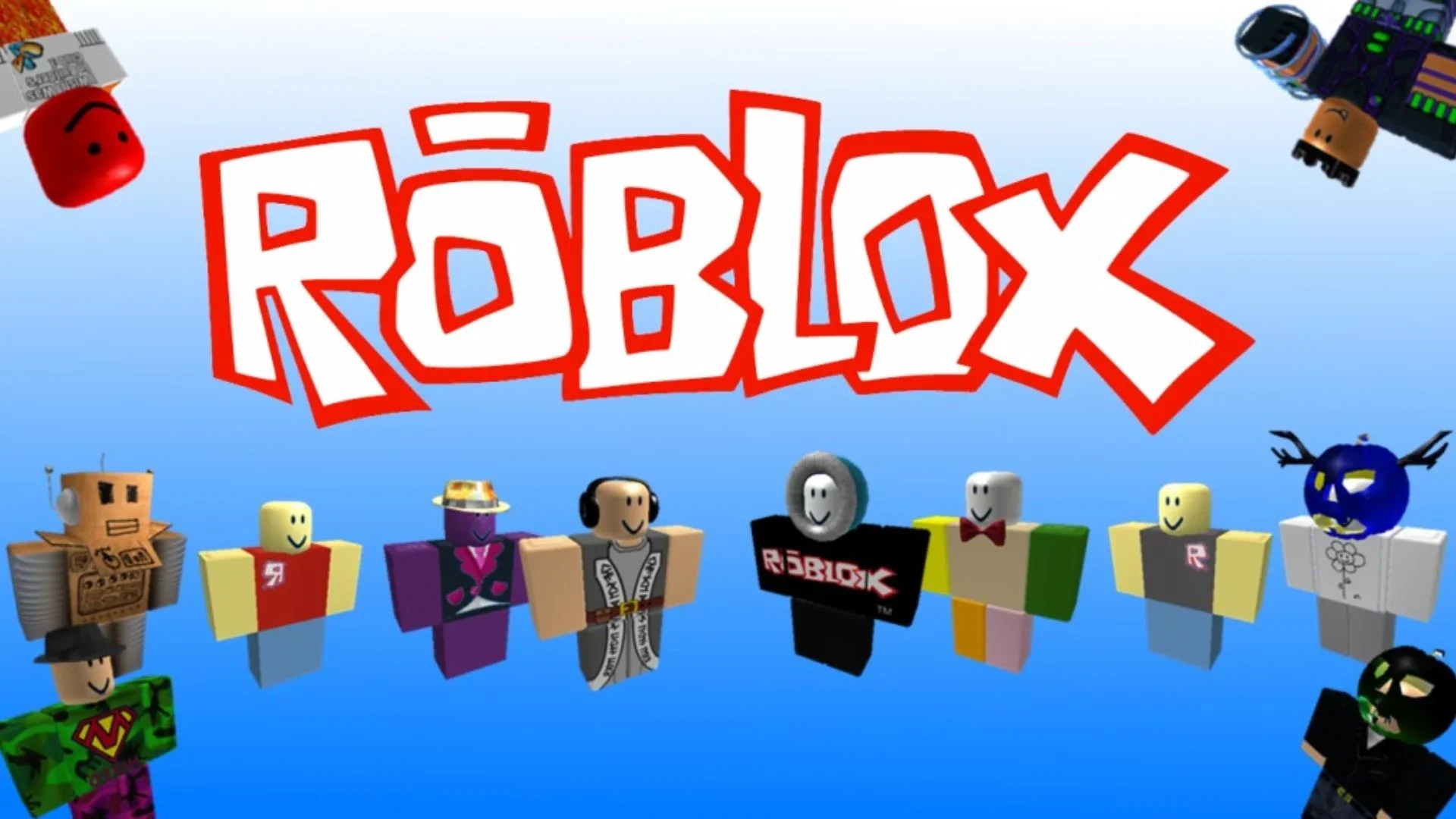
By 2023, Roblox reported more than 65 million daily active users, rising above 70 million in 2024. That scale matters. Unlike traditional titles, Roblox is not defined by one genre or mechanic. It hosts shooters, role-playing games, social hangouts, simulations, obstacle courses, concerts, and branded experiences, all accessible through a unified identity layer and virtual currency system.
What makes Roblox historically significant is not just user-generated content, but persistence. Your avatar, friends list, purchased items, and social graph follow you from one experience to another. The platform monetises through Robux, its virtual currency, and shares revenue with creators, forming one of the earliest large-scale creator economies inside gaming.
Epic Games appears to be studying that model carefully. Fortnite has expanded far beyond its original Battle Royale mode to include LEGO Fortnite (2023), Rocket Racing (2023), Fortnite Festival (2023), and increasingly sophisticated user-generated experiences through Unreal Editor for Fortnite, introduced in March 2023. The question is whether Fortnite becomes a comparable container for genres, or whether it remains a branded ecosystem rather than a neutral platform.
At what point does a game cease to be a game and become a container for many genres?
It is reasonable to speculate, cautiously, that we may see further aggregation. Not necessarily a single universe like in the science fiction sense popularised by Ernest Cline’s Ready Player One (2011), but increasingly consolidated ecosystems where multiple genres, social spaces, and creator economies coexist under one persistent account system.
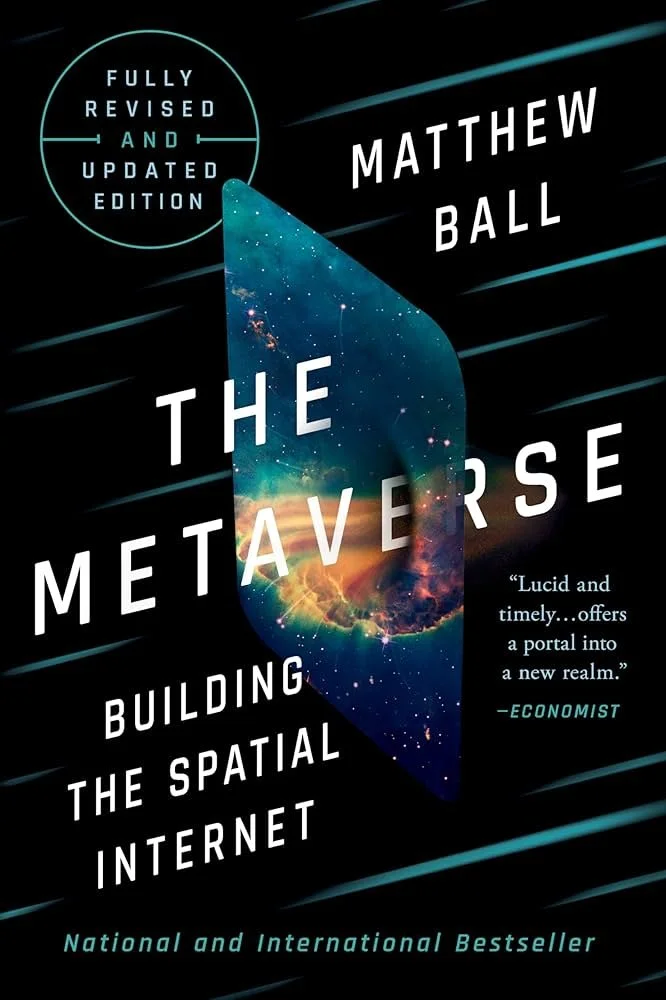
Matthew Ball argues in The Metaverse: Building the Spatial Internet (2022; revised edition 2024) that true interoperability remains a distant and complex challenge. A cosmetic skin designed for one game does not automatically function in another because gameplay balance, hitbox dimensions, art style, and engine architecture differ. As Ball notes, interoperability is not simply about file compatibility, but about design coherence and economic incentives. He mentioned in his first edition that a Fortnite Peely skin being used in a match of Warzone would have its head poking through the roof of a vehicle.
However, consolidation is not inevitable. Regulatory scrutiny, platform competition, and creator autonomy complicate any move toward a single dominant meta-platform. History shows cycles of fragmentation and convergence rather than permanent monopoly.
The Real Question
The historical pattern is clear. From engine licensing in the 1990s to cross-play normalisation in the late 2010s, technical barriers steadily eroded. Business resistance followed more slowly, but it followed.
The central shift of the past thirty years is this: identity has migrated from device to account.
The next strategic battleground is not hardware performance. It is ecosystem gravity. Which platform becomes the primary social and economic layer for players? And will the future resemble a unified platform world, or a federation of interoperable ecosystems?
Gaming has repeatedly surprised those who assume stability.
If we are entering another inflection point, it will not be because consoles disappeared. It will be because identity, creation tools, and services converged in ways that made hardware secondary.
Fortnite did not create this shift.
It inherited a thirty-year migration from hardware-bound software to persistent digital ecosystems.
