

"I Did the Dishes Though": Mental Health Conversations in the Thunderbolts* Film
Thunderbolts may be the best MCU movie since Endgame. It delivers comedy, action, and sharp dialogue. But it might also be the most emotionally truthful Marvel Studios film yet.
The final post-credit scene says more about #mentalhealth and #neurodiversity than any other superhero moment. I don't typically write about movies, but this scene had me thinking night and day about the issues below.
Credit: Marvel Studios
The Scene That Matters
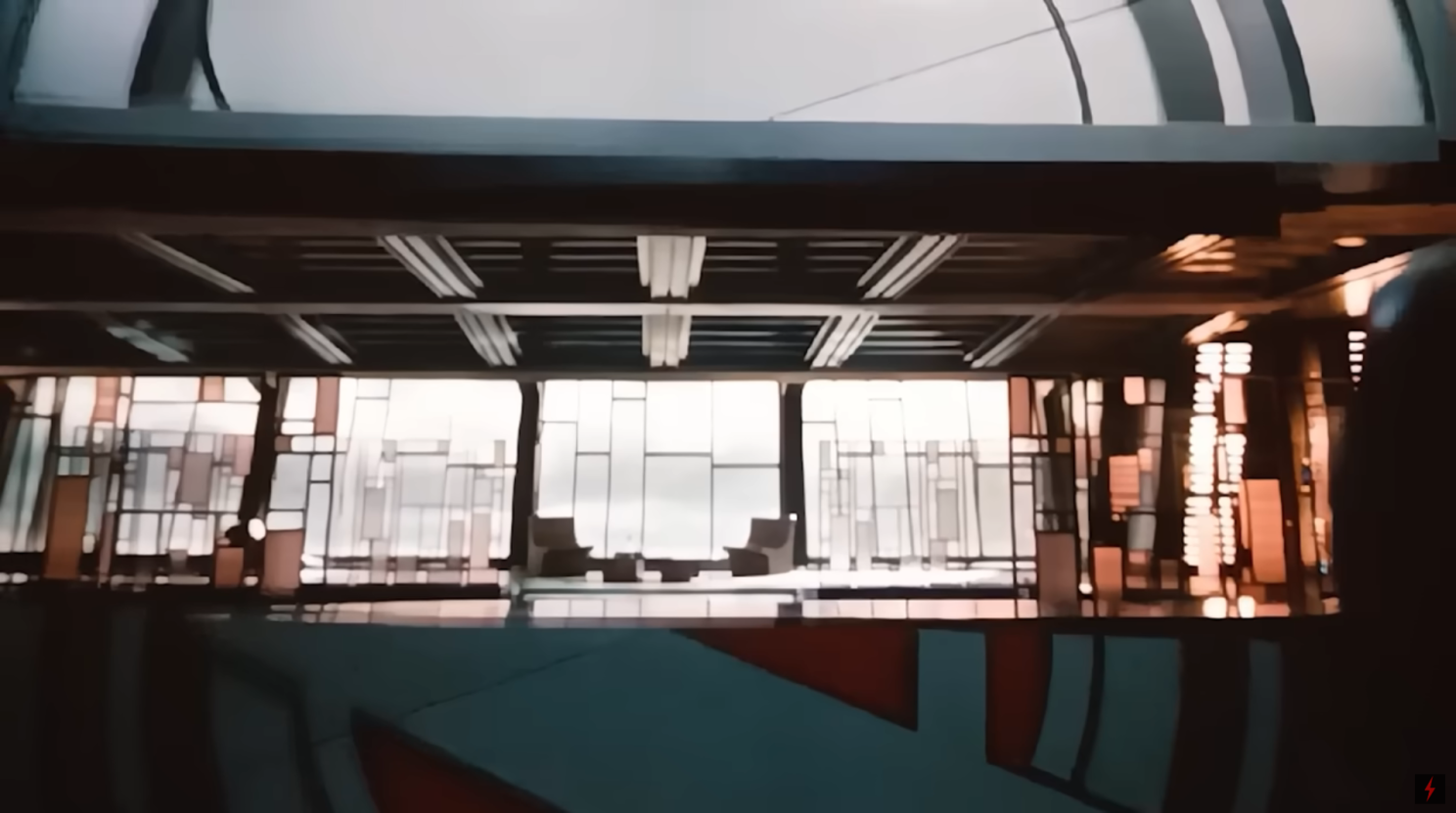
Fourteen months after the movie’s main events, the New Avengers sit in their base. They're bickering. They're unsure of their place. They’re trying to lead but struggling to connect.
Sentry is off to the side. Quiet. Holding a milkshake. When Red Guardian says, "We wouldn't need to fire up the jets if we had a Sentry who could fly", Sentry shyly responds with:
“Sorry guys... I can't be the Sentry without the... other side. I did the dishes, though!"
That one line reflects what it feels like to live with anxiety, burnout, or depression. Sentry is dealing with inner demons, or what is called the "Void" in the comics and MCU. This internal battle pulls everything from him to just keep it from taking over. Some days, doing the dishes is the win. Most days, for many people, that may be the only win.
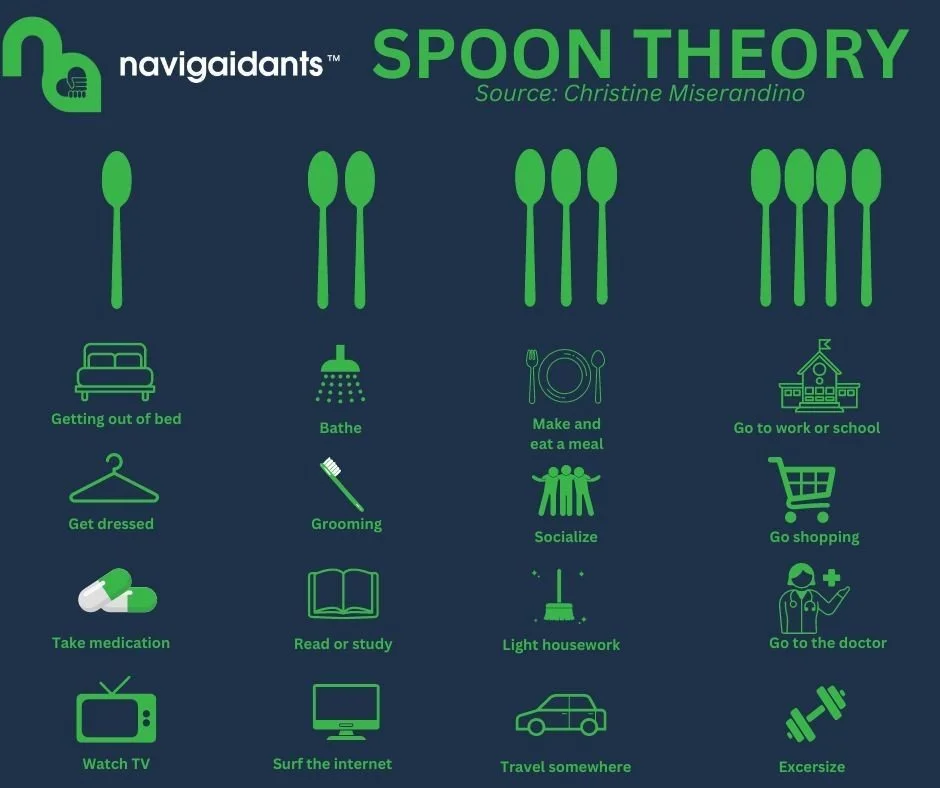
Spoon Theory was imagined by Christine Miserandino in 2003 when describing what it is like living with a chronic illness.
Spoon Theory on Screen
The Spoon Theory explains how people with mental health conditions or chronic illness have limited energy for daily tasks. Sentry represents this perfectly.
For Sentry, he is nearly invincible. But inside, he is fighting to stay whole. Using his powers could unleash the Void, his darker self. Choosing not to act is a battle in itself.
The others don’t understand. Some seem annoyed. Others make jokes. That disconnect mirrors what many experience in real life. You do less than others expect, so they assume you don’t care. But really, you’ve used up everything you had just to be present.
Each Character Carries Something
Every member of this new team carries trauma, mental health challenges, or traits linked to neurodiversity.
Credit: Marvel Studios
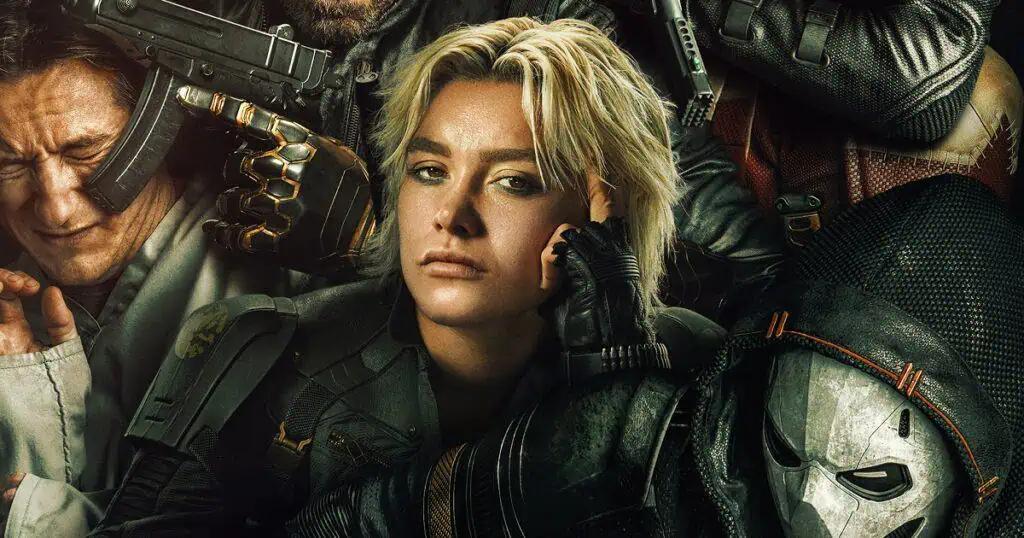
White Widow (Yelena Belova)
Taken from her family and trained as a weapon
Still grieving her sister Natasha
Trying to lead, but alone and overwhelmed
Speaks like a tired manager trying to hold it together
Credit: Marvel Studios
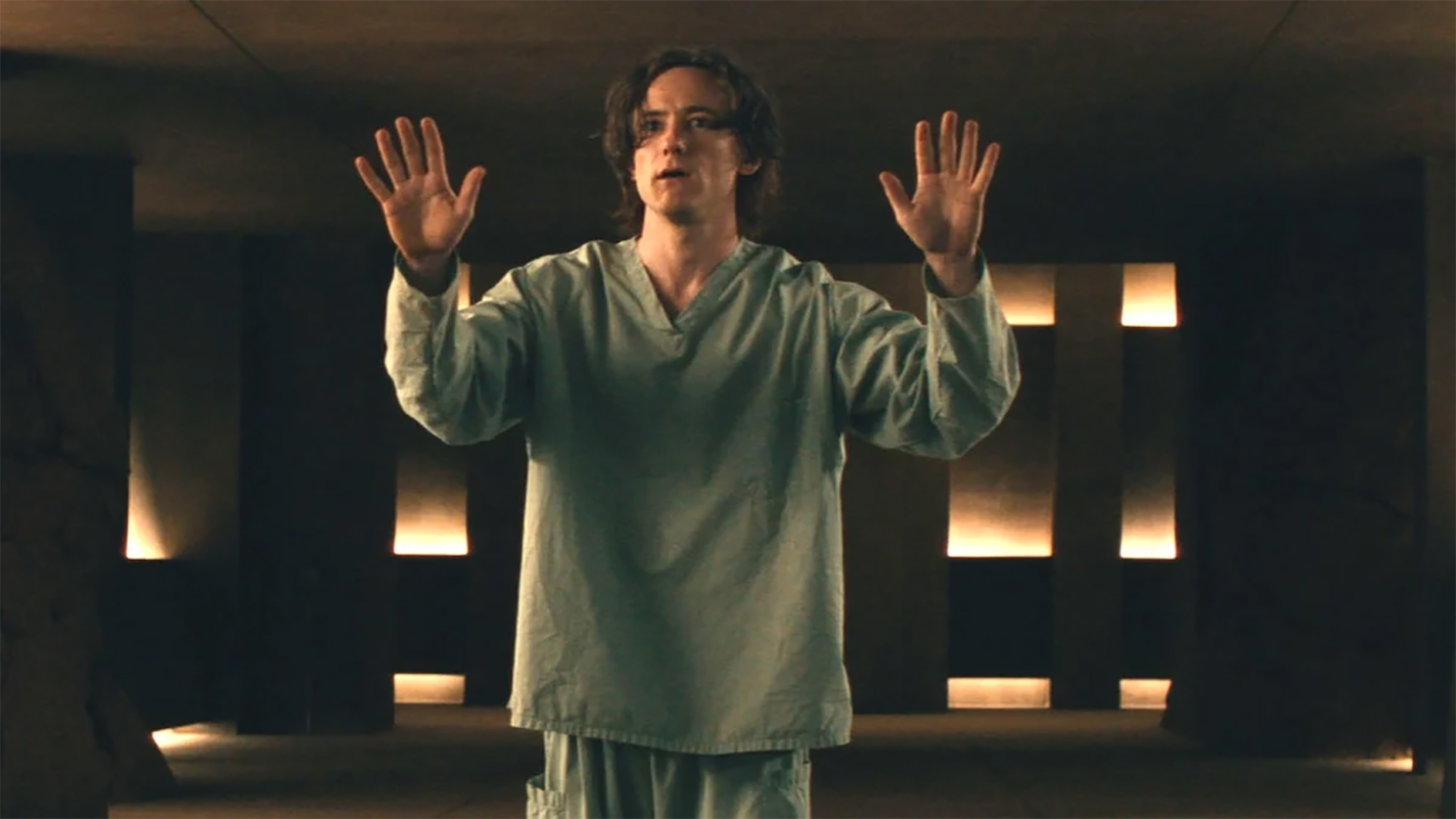
Sentry (Bob Reynolds)
Suffers from anxiety, addiction history, and identity fragmentation
Represents those with dissociation and executive dysfunction
Doing the dishes is his act of survival
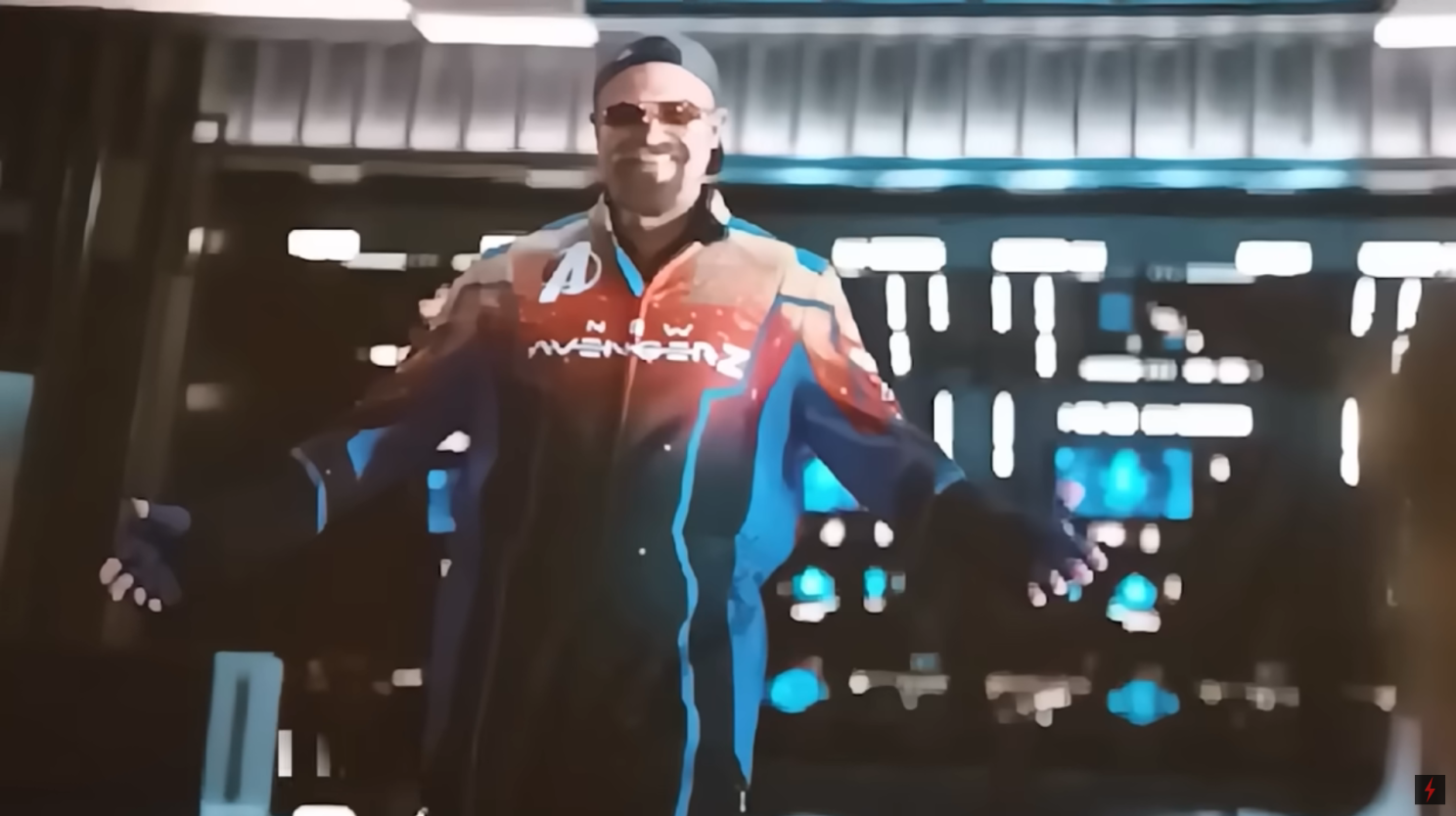
Credit: Marvel Studios (New Rockstars)
Red Guardian (Alexei Shostakov)
Lost in the past
Wears a bright, sponsor-covered suit to feel useful
Hides depression behind humor and glory stories
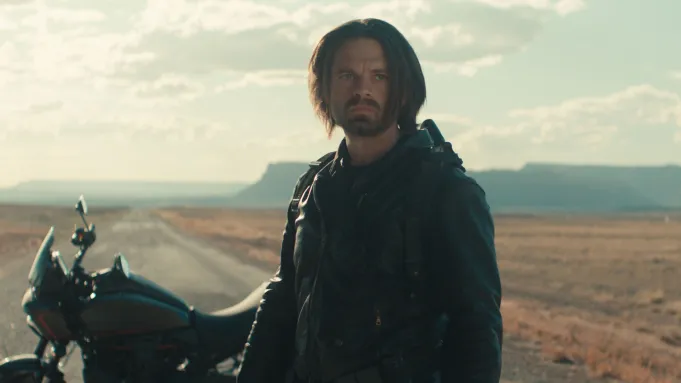
Credit: Marvel Studios
Bucky Barnes (Winter Soldier)
Was brainwashed and forced to kill
Deals with PTSD and deep guilt
Chooses to support others instead of leading, even when he could
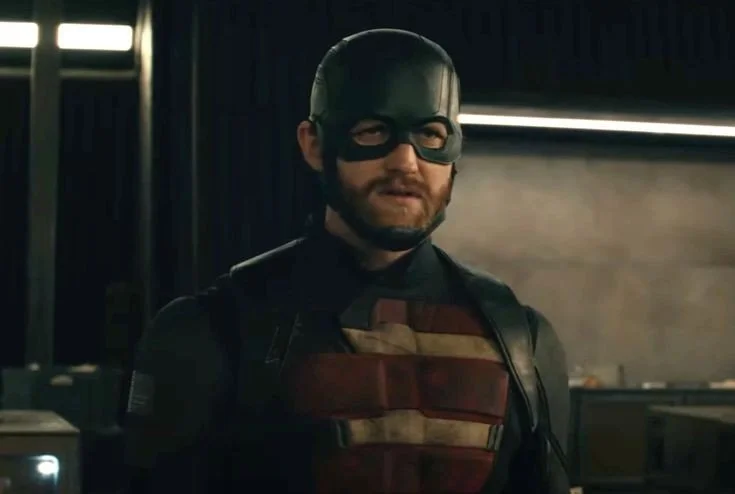
Credit: Marvel Studios
John Walker (U.S. Agent)
Failed publicly as Captain America
Divorced, angry, addicted to external validation
Obsessed with his image and perceived relevance
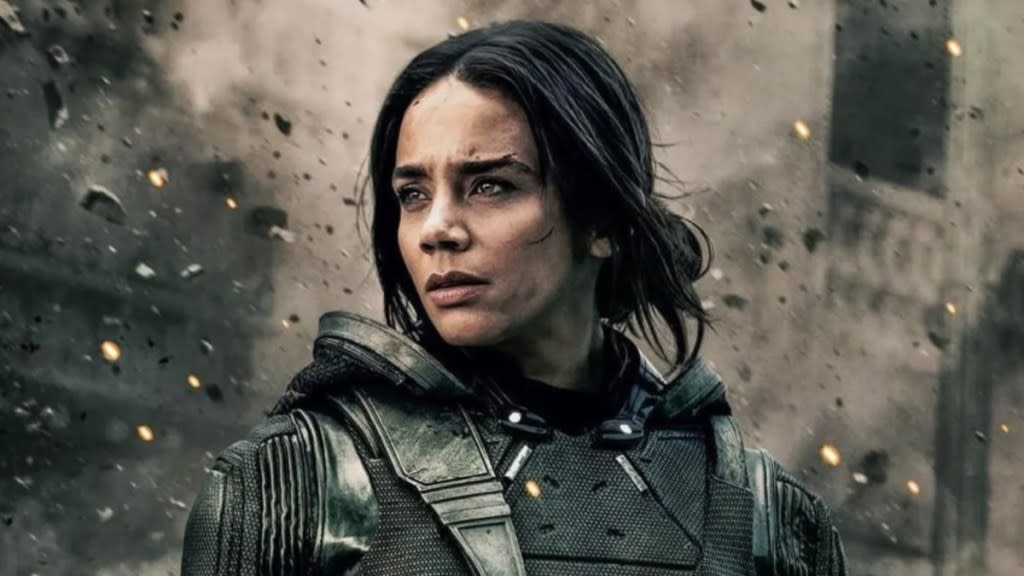
Credit: Marvel Studios
Ghost (Ava Starr)
Abused and used for her powers
Lives with regret, emotional detachment, and a mistrust of others
Her line about their lack of credibility shows how she views herself
This Feels Familiar
This isn’t a perfect superhero team. It’s a group that feels more like:
A burnt-out work team that keeps showing up
A family with strained relationships
A group of people masking their pain with jokes, silence, or overcompensation
Everyone is doing the best they can. Some are failing quietly. Others are pretending they’re fine. A few are trying to hold it all together and feel unseen doing it.
Why This Matters
This scene is not dramatic. It’s awkward. It’s real. You’ve probably been in a moment like it.
A group chat where no one is on the same page
A team meeting where no one understands why someone is quiet or not helping
A moment when you were exhausted and someone said, “Is that all you did today?”
It’s rare to see that in a superhero film. That makes it valuable.
What You Can Take Away
Mental health struggles aren’t always visible
Helping with the dishes might be all someone can do that day
Being present is sometimes the best you can offer
Every person you meet is fighting something you can’t see
Thunderbolts shows us a team of people who are flawed, tired, awkward, and still trying.
That’s more heroic than saving the world.
